




Was this newsletter forwarded to you? Sign up to get it in your inbox.
I have returned from paternity leave with a sense of doom. Not professionally—Every has not gone bankrupt in my two-month absence. Not parentally, either—my child is beautiful and happy. Not even with regard to my personal grooming—well, on that front, I am fatter and scruffier, but my dad bod is a freshly earned privilege.
Instead, my sense of doom stems from the realization of how much I must accomplish. It’s surely a common feeling among new parents, but bridging the gap between what is expected of me and what my time permits feels impossible given the addition of a child into what was once a careful balancing act. Perhaps you have felt the same. Our world is hard. It is tough to get by, let alone get ahead. To provide all that you need while also succeeding professionally and taking care of yourself is challenging. In other words: The scruff might be here to stay.
To resolve this conundrum, I initially turned to ye olde favorites of the neurotic type A-hole: goal-setting and self-loathing. If I could simply “lock in” a little more, hustle harder, make one more new year's resolution, find one perfect note-taking system to rule them all, then surely I could accomplish everything I wanted. But, after a few hours of color-coordinating my calendar, I concluded that I was being stupid.
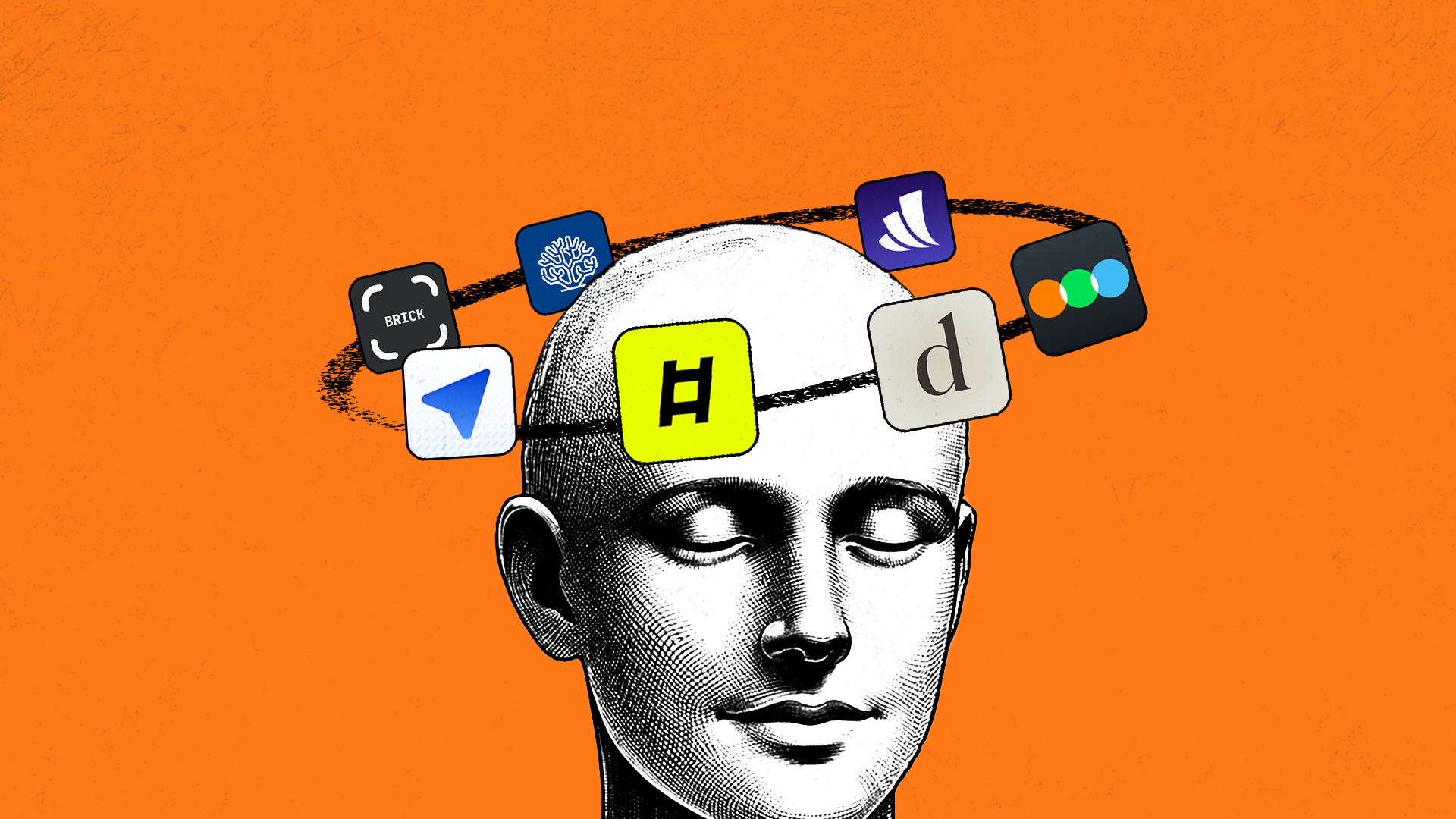
Rather than rely on internal motivation, I should rely on external automation. After all, self-hatred is a well that can run dry, but software never runs out of steam. So, for the last six months, I’ve systematically reworked each part of my personal technology stack, looking for ways to automate and improve my health, leisure, work, and more.
In doing so, I’ve dramatically improved my output, both personally and professionally. The funny thing is that it has been embarrassingly easy to do. I’ve used the fundamental tools of knowledge work my whole life, armed with code, spreadsheets, and email. But I feel a bit of shame that I never bothered to optimize my personal stack further. Still, I have repented, and am happier and more productive.
If you are feeling like me and would like to get more done with less effort, here are the eight pieces of technology that have changed my life over the last year.
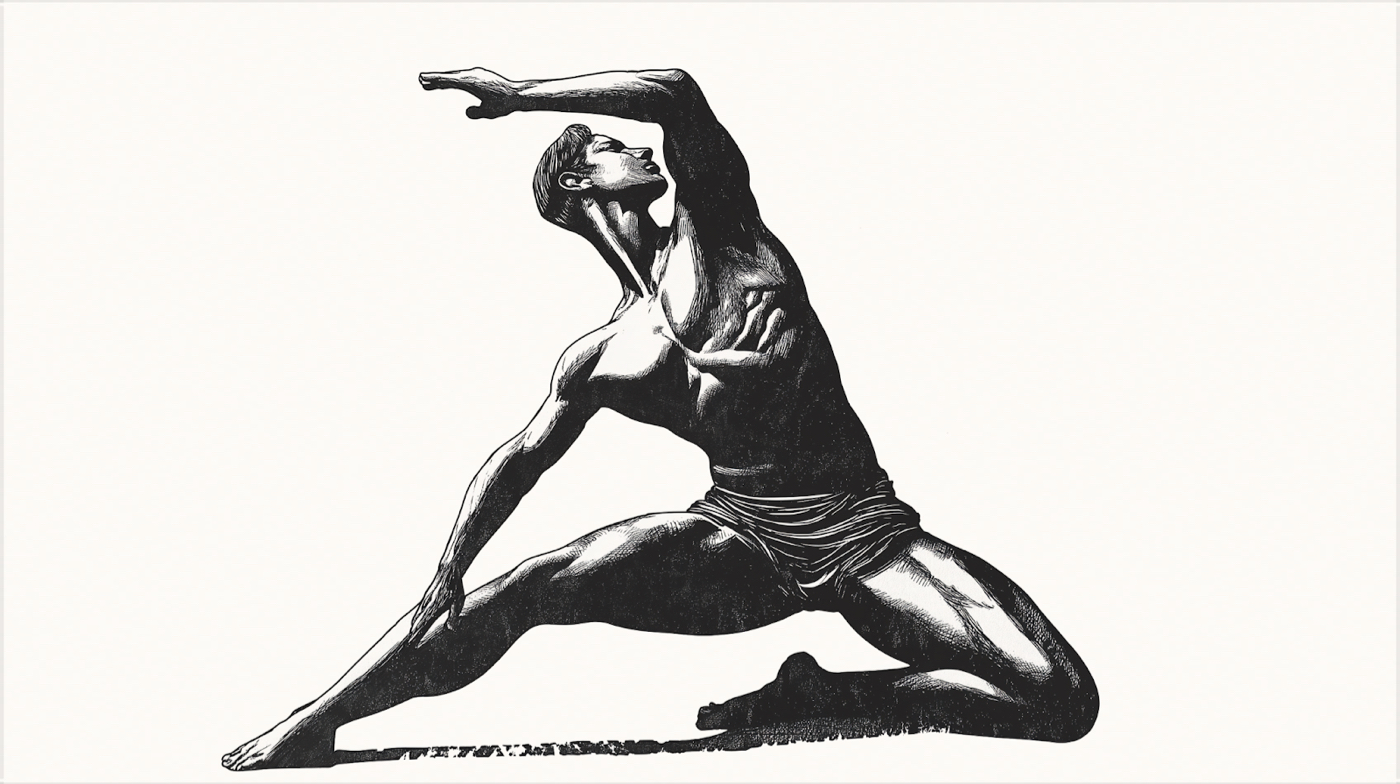
Getting a nice, tight butt
1. A fitness app for people who take weightlifting seriously
I’ve exercised in various forms for nearly a decade. I’ve tried every app, participated in every fad, and spent an embarrassing amount of money on Barry’s Bootcamp classes, so trust me when I say that I never found an app that worked well for weightlifting. Usually the app programming is too basic, or the whole enterprise is a cheap cash grab that takes advantage of vulnerable people around the new year. Enter Ladder. The onboarding flow is slick—you describe your goals, and it pairs you with a real-life coach and team. (I do Team Cruise Control, which is a CrossFit-style workout with slightly less Olympic-level lifting than your standard CrossFit class). Each workout features instructional videos and substitution options, all while your coach talks on a pre-recorded track in your ear. You can ask your coach questions in a built-in chat or get reviews about your physical form via uploaded video. The two people I’ve convinced to try it have both purchased an annual plan for $179. It has made incorporating exercise into my routine so easy that I’ll usually do five strength sessions a week and another 3–4 cardio workouts. (Admittedly, this regimen took a nosedive during the newborn phase, but my fitness routine is mostly back up to speed.)
2. Bodies are built in the kitchen, sculpted in this app
There are hundreds of cooking apps, but only Deglaze nails my personal cooking workflow. You can easily add recipes from Instagram or around the web, or even your mom’s handwritten scribbles. From there, Deglaze uses AI to pull out the ingredients so you can add them to your grocery list. After a month of use, you should have a bank of go-to healthy recipes. Many apps have a similar promise—I must have tried a dozen—but this was the only one that fulfills that promise. Best of all, it’s free!

 Create a free account to continue reading
The Only Subscription
You Need to
Stay at the
Edge of AI
The essential toolkit for those shaping the future

"This might be the best value you
can get from an AI subscription."
- Jay S.
 Every Content
 AI&I Podcast
 Monologue
 Cora
Cora
 Sparkle
 Spiral
Join 100,000+ leaders, builders, and innovators

Email address

Already have an account? Sign in
What is included in a subscription?
Daily insights from AI pioneers + early access to powerful AI tools

 Front-row access to the future of AI
 In-depth reviews of new models on release day
Playbooks and guides for putting AI to work
Prompts and use cases for builders
In-depth reviews of new models on release day
Playbooks and guides for putting AI to work
Prompts and use cases for builders
In-depth reviews of new models on release day
Playbooks and guides for putting AI to work
Prompts and use cases for builders
In-depth reviews of new models on release day
Playbooks and guides for putting AI to work
Prompts and use cases for builders
 Bundle of AI software
 Evan Armstrong


 Reviews of new AI models on release day
Comments
Don't have an account? Sign up!
I can't personally vouch for it, but I came across Hardcover at some point, which is trying to be a better Goodreads:
https://hardcover.app/pages/about
@ccptmd i'll check it out! thank you
Evan, I just bought a Brick and signed up for CoPilot Money, so thank you for the recos!
I've found The Storygraph (https://thestorygraph.com) to be a good alternative to GoodReads and more quantitative, might be worth checking out if you haven't already.
Another option is a tool my team and I have been working on, ConceptLM (https://conceptlm.com). It's somewhat similar to Coral AI or NotebookLM, but allows you to add books in addition to other docs/videos and automatically synthesizes the concepts/ideas between books/docs/etc, creating an interactive knowledge map. You can then either text or voice chat with everything on your bookshelf.
I personally have bookshelves for specific interests, i.e. entrepreneurship, stoicism, etc and add books as I read them, then chat with the collection to go deeper, get synthesized perspectives. I turn these chats into notes I add to the bookshelf to build on the library of knowledge. :)
It's still (barely) in beta so be kind/forgiving of the rough edges... :)
Keep up the great writing!
Casey
@casey.gene.allen i've been playing with margins! promising start so far
@ItsUrBoyEvan Not familiar with margins, but I'll take a look! If you ever want to play around with ConceptLM, let me know. I'd love the feedback!
Learned that Copilot is currently Apple- and US-only.
Ladder is Apply-only too (currently)
I recently started using Margins app as a replacement for Goodreads. Looks much fresher and you can import your Goodreads catalog: www.margins.app
Evan, why use Coral AI when ChatGPT/Claude can offer good enough citations? As as aside, what do you think the future of such tools are which could be seen as a ticking time bomb until the ChatGPTs of the world get better? After all, these smaller tools aren't owning their own models ... they are fine-tuning the existing ones for a specific use case.