




Evan here. I love stories about when the “best” advice completely fails. For the last eight years, the hot methodology has been product-led growth, a go-to-market strategy for software companies. In this piece, the founder of Equals, Bobby Pinero, tries out PLG and finds out that maybe it isn’t for everyone. He is honest, transparent, and articulate; I highly recommend you read this even if you don’t run a SaaS company. As you do so, ask yourself, “What strategy am I using just because I’m supposed to?”
The following is a true story. It’s the story of when we made Equals free.
Equals is a spreadsheet that lets users connect to live data to analyze and build dashboards. The choice to go free was a decision that broke our business (for a minute, at least) and is one of the biggest risks I’ve taken as CEO. I went into it with a ton of conviction—and I turned out to be wrong.
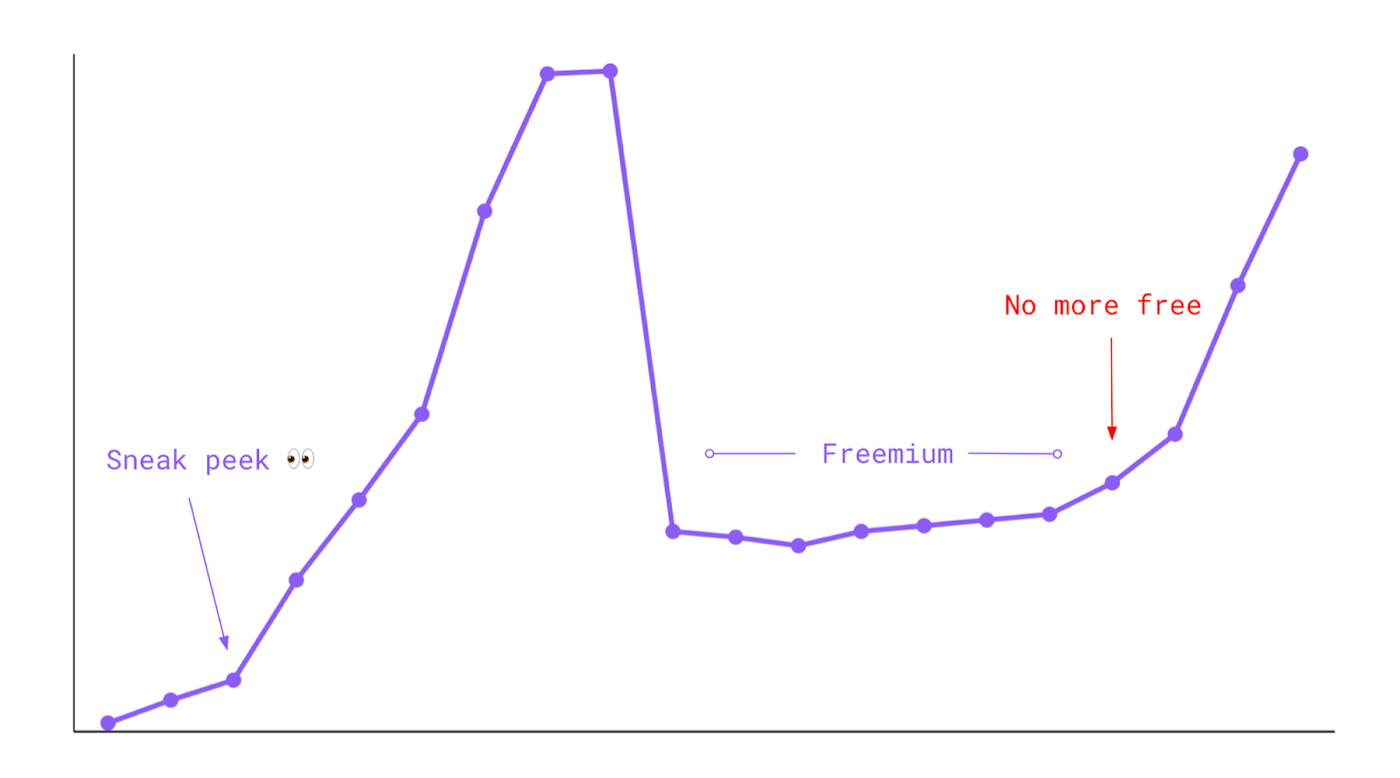
When we launched Equals in April 2022, we made a big splash. We decided to gate access to the product and charge a flat $250 per month—Equals is a complex product to build, and the expectations for how a spreadsheet should look and feel are insanely high. We wanted to onboard every single customer manually. Our goal was to understand their use cases and establish a close relationship so they’d give us the benefit of the doubt when they inevitably ran into issues.
My co-founder and I had learned hard lessons about onboarding while building Intercom—specifically, that free access to tools didn’t always lead to more engaged customers. When we launched, we required new users to jump on an onboarding call and pay to get started. We also required them to connect a data source (like a database or Stripe account) to our spreadsheet product. ARR grew quickly, and we built a community of engaged users.
This strategy worked well at first. In fact, it worked so well that revenue took off.

In just five months, we were able to raise a $16 million Series A, including funding from one of the best investors in the world.
And then I broke everything.
Freemium looked great (on paper)
Our pricing at the time was obscure—we didn’t list any prices on the pricing page, and new customers were directed to “talk to sales.” It was so cryptic we were getting comments like these:
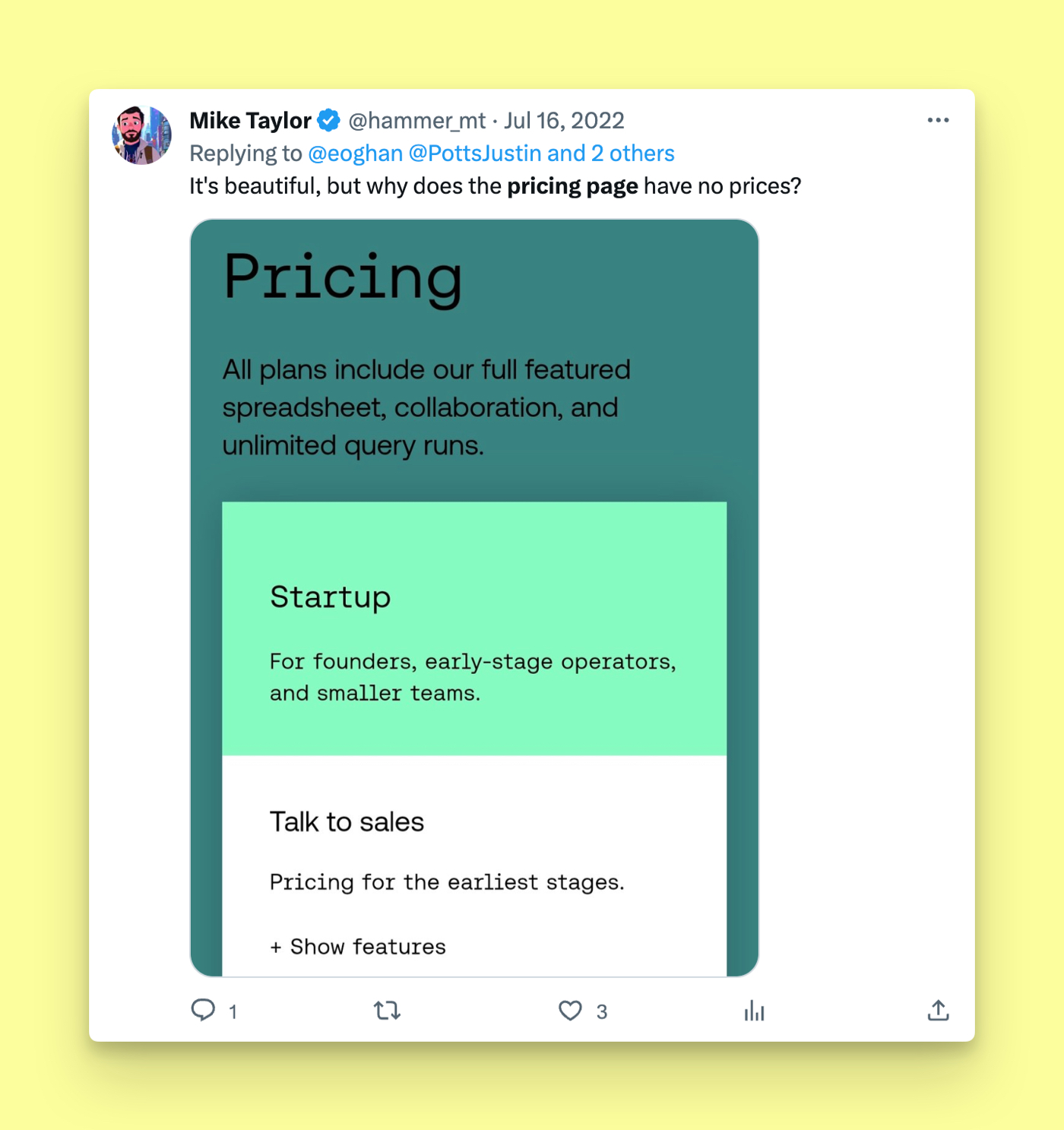
At Intercom, we struggled with the reputation of being unfairly and obscurely priced. We were particularly sensitive to this critique. The last thing we wanted was for Equals to be perceived this way as well. After all, pricing is hard.
At the same time, we were watching the darlings of SaaS—companies like Notion, Figma, and Airtable—enjoy massive adoption. We thought it must be because they have a free tier and consumer-like pricing. I felt it was obvious we should do the same.
I sent a memo to our investors and employees spelling out the rationale behind the decision to introduce a free plan. Almost everyone agreed with me. I had to be right, right?
When we announced our Series A in November 2022, we lowered the onboarding friction and opened up Equals to the world. There were no more onboarding calls required, we slashed prices for current and future customers, and we offered a generous new free plan.
We sat back, ready to watch the masses sign up. And sign up, they did. For a little while.
The needle moved—until it didn’t
Within a month, we 4x'd the number of companies using Equals on a daily and weekly basis. Then, over the next six months, the business stalled. We struggled to retain customers and turn free workspaces into paid subscriptions. We stopped growing the number of active customers using Equals, which translated into essentially flat revenue growth.
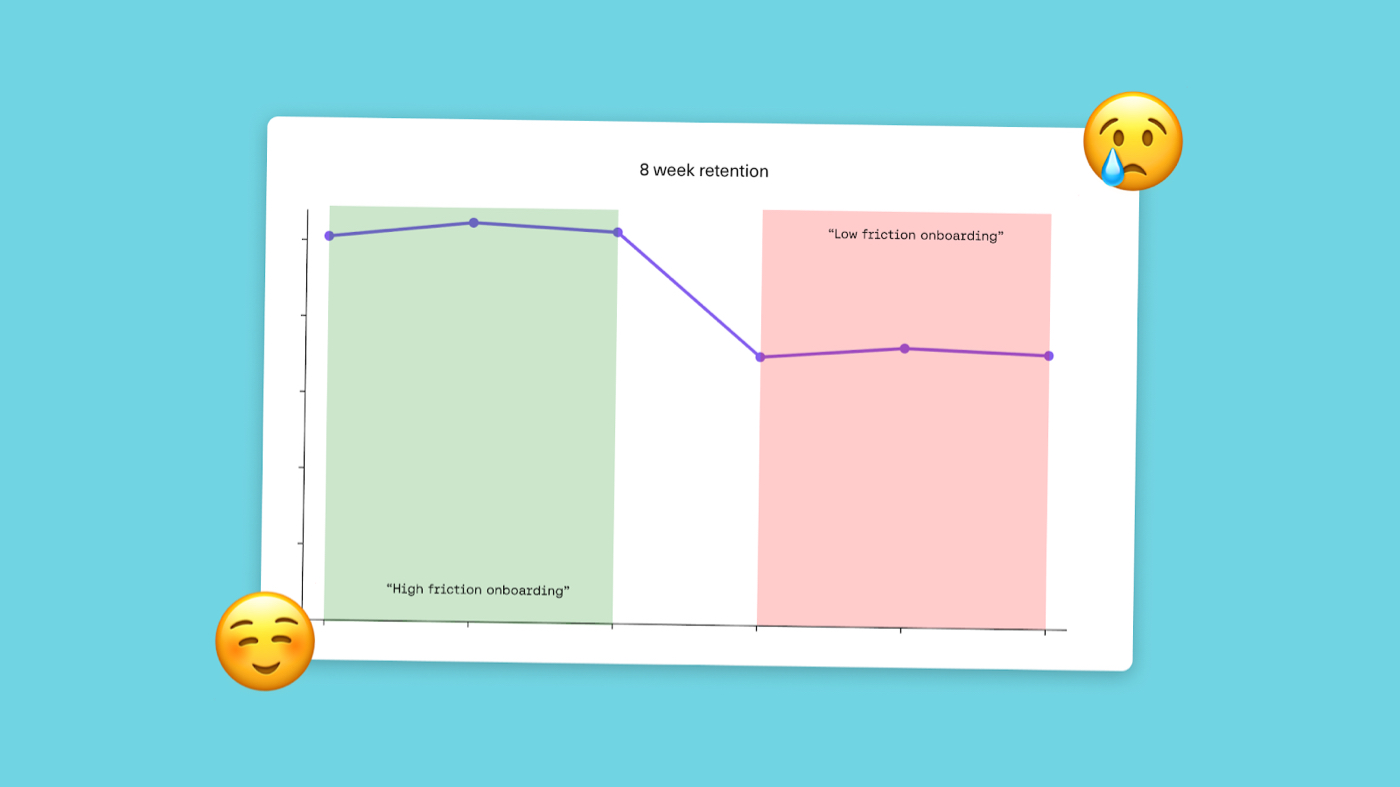
The pain was not immediate. Of course, a lot more people completed onboarding, and a lot more poked around. For a moment, we thought we'd disproved the idea that higher friction always outperforms.
Then, we took a fresh look at our retention cohorts. The retention was horrendous. Yes, lots of people created accounts. Lots of people created spreadsheets. But 30% fewer users stuck around after eight weeks. They never got the punch line.
Why? Our funnel was too long. To hit a paywall, you had to:
🚧 Create a workspace
🚧🚧🚧 Connect to a data source (a big hurdle)
🚧Invite teammates
🚧Run a query before seeing a paywall
All the while, we continued to ship new products, launching features that required no setup, like AI Assist, which writes and debugs queries, produces and explains formulas, and edits and summarizes charts.
But we were unable to move the needle back toward high adoption and active companies. There was no path visible to drive faster revenue growth. After six months, we decided the risk was too significant. We had plenty of runway, but we knew we had to get back to building a growing business. And perhaps there was something incorrect about free—for us.
From free to free trial
In June 2023, we launched more than 25 new integrations. Simultaneously, we killed our free plan. Now, in order to use Equals, you can start a 14-day free trial—with a credit card requirement.
I know what you’re thinking: why on earth would we introduce even more friction? As it turns out, not all friction is bad. Our original friction—the gated product, the need to talk to our team to get access—was too much. But we’d managed to land on the right amount of friction. Within a couple of months, we were back on a growth trajectory with the most engaged user base we’d ever seen.
This is one of the most interesting learnings I’ve had while working on Equals: introducing the right amount of friction to use our product worked well for our business. Onboarding is a game of convincing a new user to keep going. The allure of seeing a new product is the strongest motivator a new user has to complete complex set-up tasks. The second the new user can see and use your product, their motivation for completing set-up goes out the window.
Obviously, you don't want meaningless friction. What you want is to walk your users through a set of steps that allows them to understand your value proposition as soon as they land on your product. At Intercom, we always wanted you to land on your users list with some of your real users already there. At Equals, we want you to land in a spreadsheet into which you can immediately pull live data. These moments are the punch line. And you can't have the punch line without the set-up.
Counterintuitive ≠ wrong
We hear it all the time: “Make onboarding simpler! Get people into your product as fast as possible! Make it free! You'll figure out how to monetize later!” It makes sense. And it obviously works for some. It just didn’t work for us.
My hypothesis is that free works when two factors are met. First, the number of people that can use the product—the market—must be very large, like it is for Notion, Figma, or Airtable. Second, the time to value is fast—meaning a customer can set up something that is useful quickly. Equals fits the first but not the second, particularly because of our requirement to integrate data sources.
For a product like Equals, getting customers to invest time and commit to a trial helped us build a more engaged user base. This friction weeds out the people who aren’t serious and creates a sense of urgency. It also forces us to focus on the customers who really matter.
If you're unhappy with how you’re currently activating, converting, and monetizing prospects, don’t think about what you can remove—think about what you can add. There are worse things than friction.
Will Equals ever be free again? Maybe. Or maybe we’ll always be in pursuit of that elusive, perfect pricing model. Time will tell.
Bobby Pinero is the CEO and co-founder of Equals. Previously, he led the finance and analytics teams at Intercom from when the company had 20 employees to its growth to more than 700. This piece was previously published as two separate pieces.
The Only Subscription
You Need to
Stay at the
Edge of AI
The essential toolkit for those shaping the future

"This might be the best value you
can get from an AI subscription."
- Jay S.
 Every Content
 AI&I Podcast
 Monologue
 Cora
Cora
 Sparkle
 Spiral
Join 100,000+ leaders, builders, and innovators

Email address

Already have an account? Sign in
What is included in a subscription?
Daily insights from AI pioneers + early access to powerful AI tools

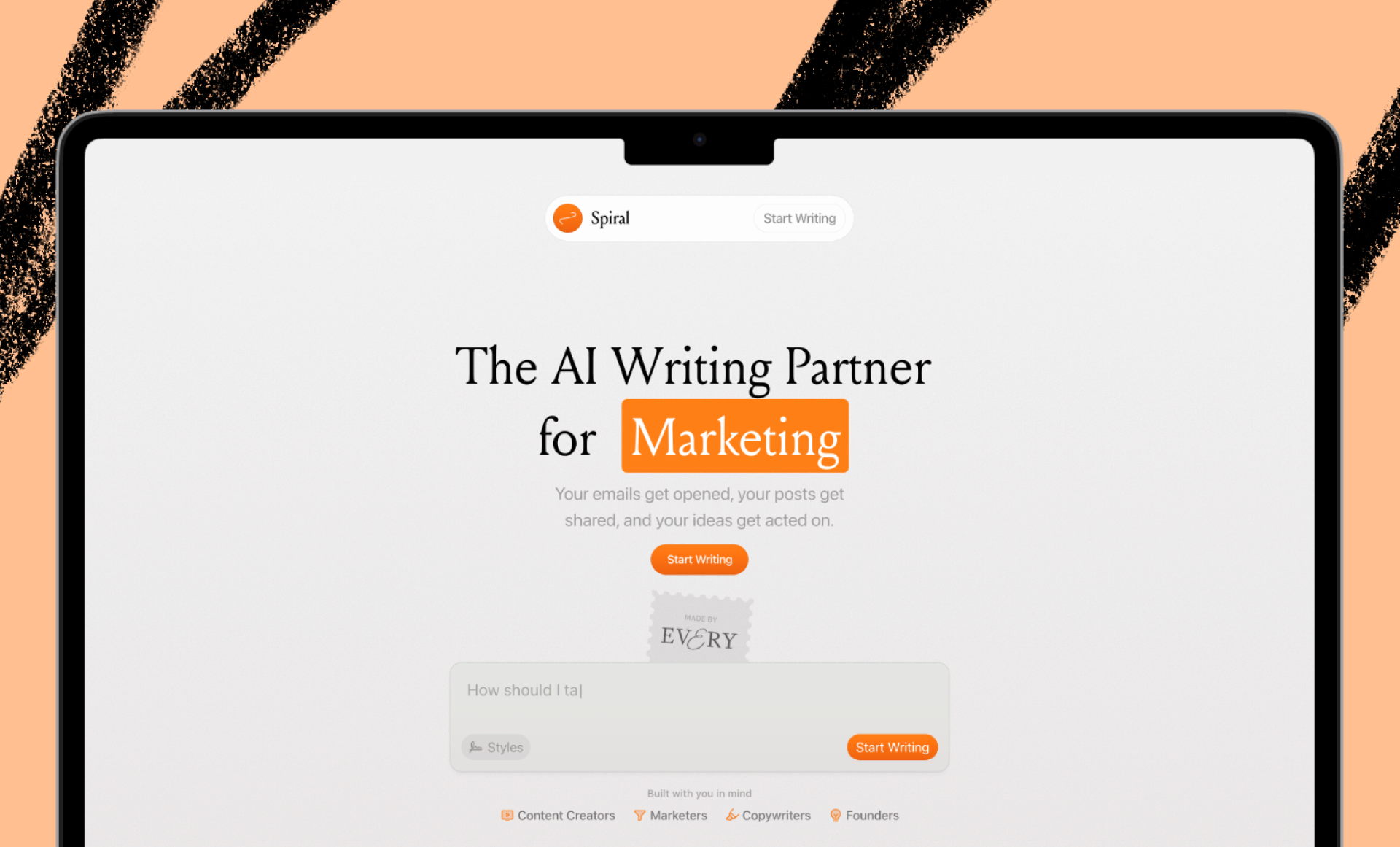
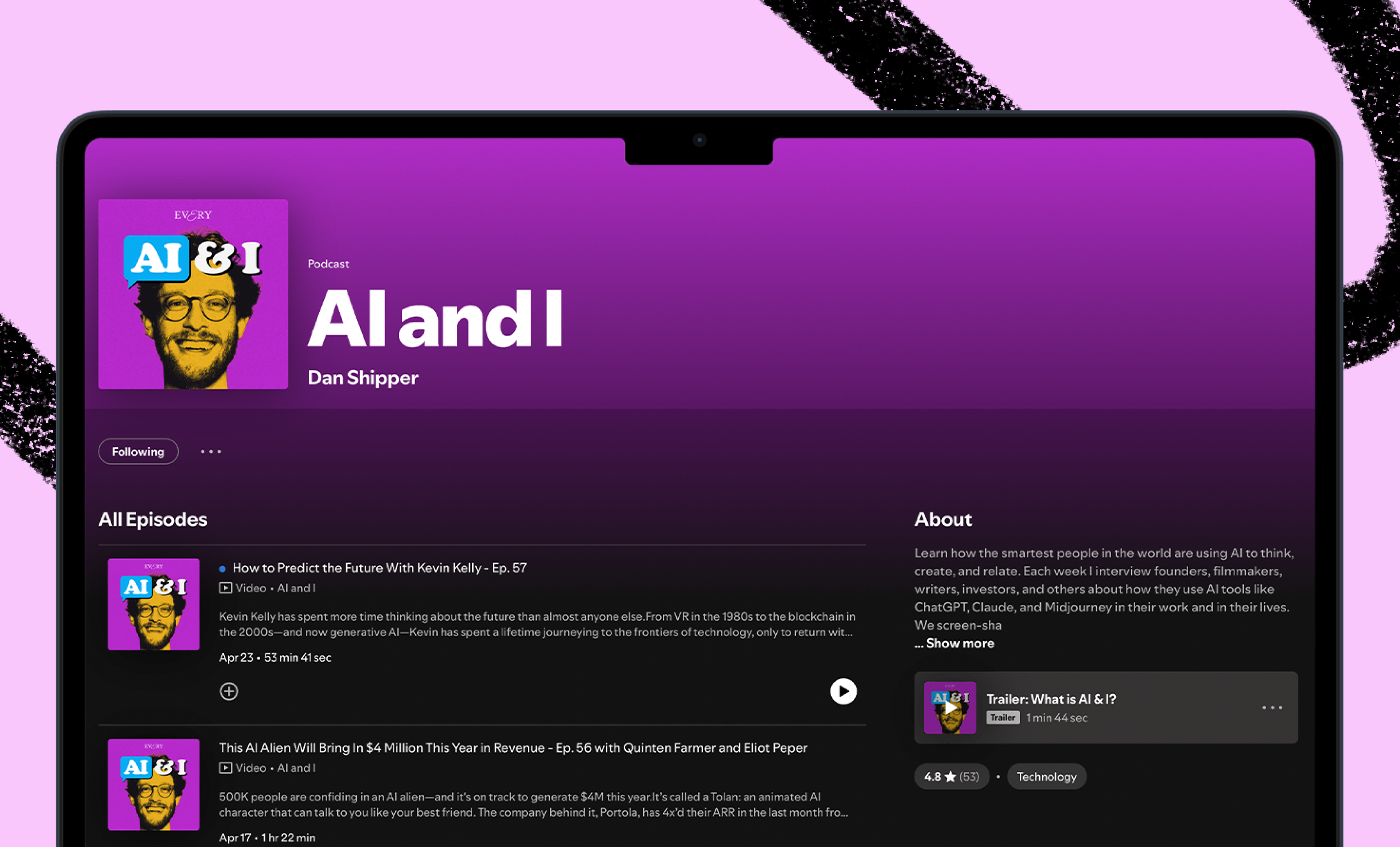
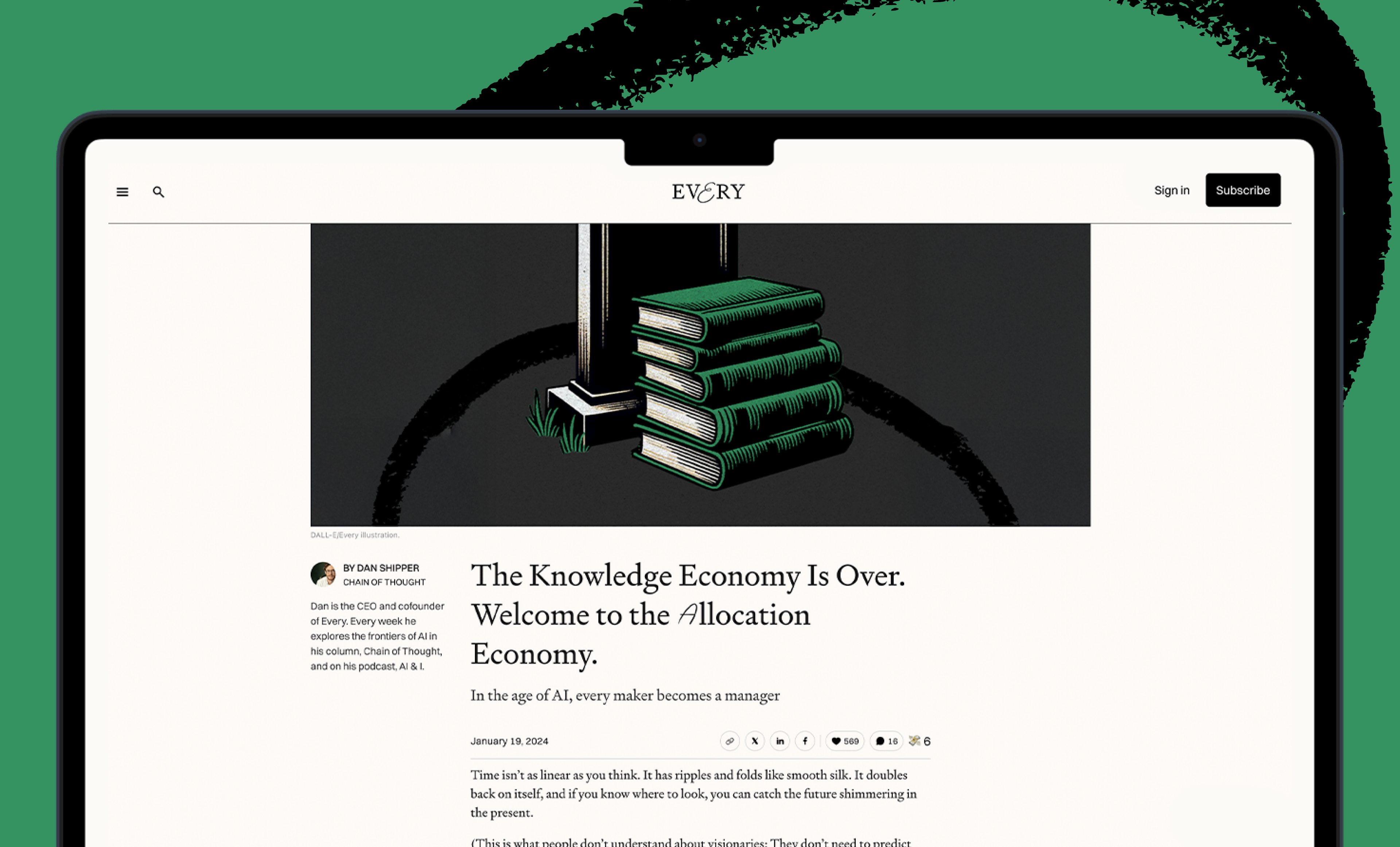
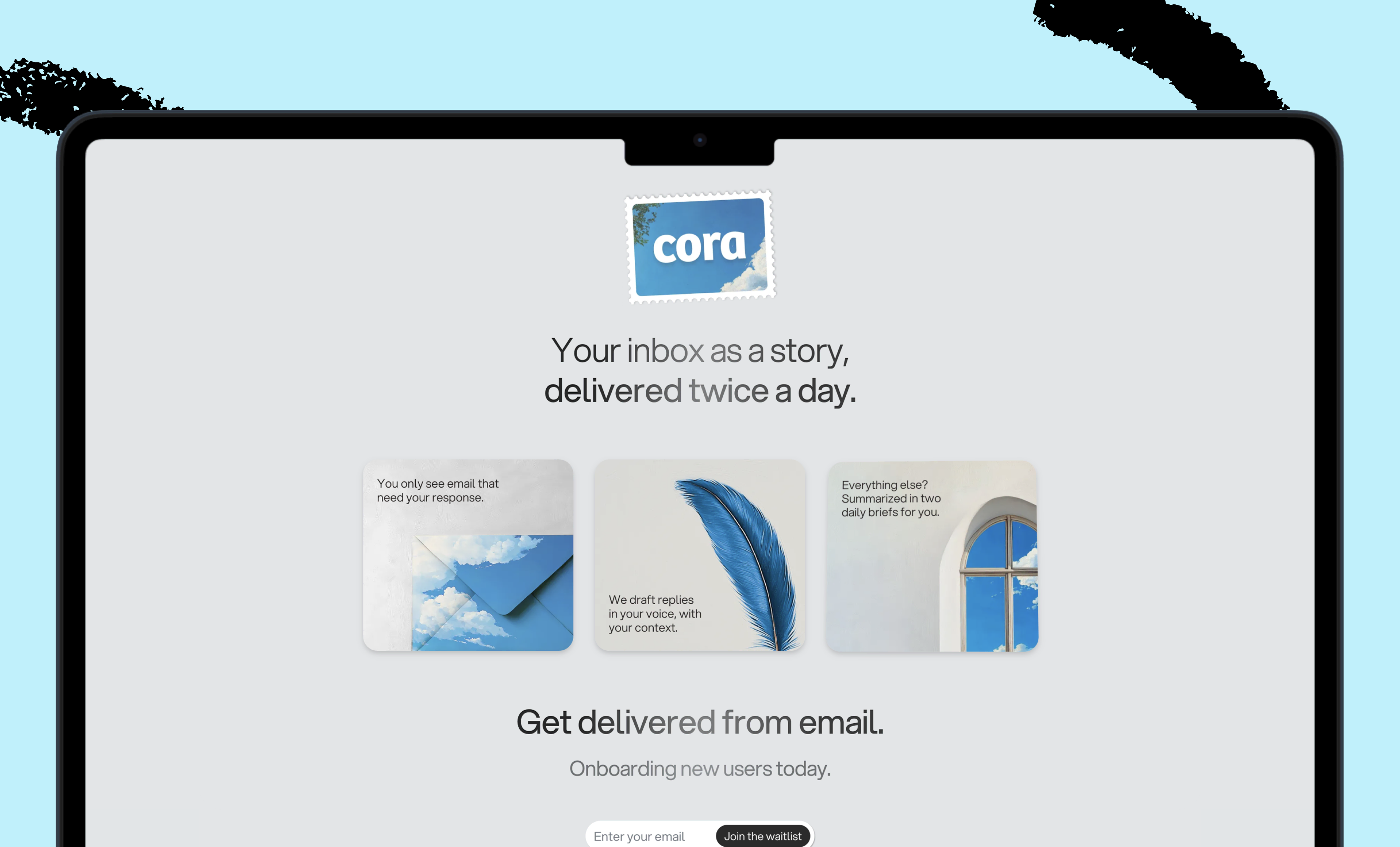
 Front-row access to the future of AI
 In-depth reviews of new models on release day
Playbooks and guides for putting AI to work
Prompts and use cases for builders
In-depth reviews of new models on release day
Playbooks and guides for putting AI to work
Prompts and use cases for builders
In-depth reviews of new models on release day
Playbooks and guides for putting AI to work
Prompts and use cases for builders
In-depth reviews of new models on release day
Playbooks and guides for putting AI to work
Prompts and use cases for builders
 Bundle of AI software




 Reviews of new AI models on release day
Comments
Don't have an account? Sign up!
👍
Solid, concise, poignant ... as good as it gets. Thank you!
This article communicates one, useful, nuanced point. Super helpful!!
Hey Bobby, it's hard for me to tell, but did this article from David Sacks about freemium vs trial line up with your learnings? https://sacks.substack.com/p/freemium-vs-free-trial-which-is-better-for-saas-startups-97b9ac737597
Really great advice. Need to analyze the value of high touch.