





Sponsored By: PartnerHero
This essay is brought to you by PartnerHero, the best way to outsource for companies that care about performance. Learn how PartnerHero can help your business grow in 2023!
The London Underground is one of the world’s oldest and most iconic public transportation systems. Each year, 1.35 billion passengers are funneled along a labyrinth that spans 272 stations. But in 2014, a city-wide strike caused 171 of those stations to close.
Navigating the intricate system became an even greater challenge. Commuters had to improvise new routes on the fly as their habitual routines were disrupted. Researchers seized the opportunity to study the collective data from thousands of travel cards, and a surprising finding leapt out: despite half of their usual entrance and exit stations being closed, people only spent an average of 6% more time in transit.
Stranger still, many commuters arrived at their destinations faster. Disruption forced these travelers to disrupt their own routines, exposing new and improved ways of making their daily commutes.
Last week, we reviewed the counterintuitive evidence behind the idea that innovation is the best overarching strategy for tough economic times. All innovations ultimately begin their life as a breakthrough inside of the human mind, so we discussed the conditions necessary for fostering ideas. As we saw with Ford, McDonald’s, and Figma, studying examples that are familiar yet different from your own situation can be a powerful source of clarity.
Howard Schultz's tenure as CEO of Starbucks during the 2008 recession offers many such analogies that can inspire your own response. The initiatives that made up his transformation agenda reveal some of the more nuanced principles, supported by science and historical case studies, for influencing your approach during uncertain times.
Because as the Tube strikes demonstrated, economic disruption can open up an opportunity for us to reevaluate our habitual patterns, and replace them with healthier alternatives. When businesses seize this opportunity, they tend to not only survive a downturn, but emerge stronger than before. A select few become faster, smarter, and more efficient than ever.
All of the forthcoming details about Starbucks’s turnaround are sourced from Schultz’s book Onward: How Starbucks Fought for Its Life Without Losing Its Soul.
Are you looking for a way to extend your operational runway without sacrificing quality? PartnerHero is the perfect solution for you! With our 30-day rolling contracts, fast launches, and global, 24/7 coverage, you get the flexibility and affordability you need to make sure your customers are getting a great experience. Plus, we’re trusted by the biggest brands, like Udemy and Etsy, so you know you’re in good hands. Let us help you build financial resilience and leave your customers satisfied — PartnerHero is the answer.
The cycle in action
A state of dissonance was triggered again for Schultz after one of his internal memos was leaked online. His concerns about the direction of the company had been made public, and he was shocked at the media frenzy they’d unleashed.
“Although the rush of news coverage, opinions, and false rumors was very frustrating, in retrospect it served a very important and unexpected purpose,” Schultz wrote. A problem had crystallized in his mind: Starbucks found itself increasingly defined by external observers and had no means of effectively responding or sharing positive news.
Schultz adopted a state of readiness and began paying attention to relevant cues. He’d been keeping tabs on a new wave of technology: Apple had released its first iPhone, Google acquired YouTube, and a platform called Facebook invited anyone over the age of 13 to join. It was clear Starbucks had to figure out how to engage in a two-way dialogue with the world via these new communication tools.
He also learned that many employees were deluged by suggestions from family and friends. It seemed that everyone had an idea to share about how Starbucks could improve. Clarity struck when Schultz discovered a second tool involved with Dell’s turnaround: a website called “IdeaStorm” that allowed PC users to post their suggestions.
Observation collided with serendipity, and—despite it being Christmas Eve—Howard called his chief technology officer and put plans in motion for “MyStarbucksIdea.com.”
Within 63 days, a team had the suggestion site up and running—one of several initiatives that was launched in time for the annual shareholders’ meeting in March. Over 100,000 suggestions flooded in and 100 were eventually implemented.
Other than serving as a great example of the “dissonance, readiness, breakthrough” cycle in action, this account underscores the importance of listening to your customers during a crisis as their needs and expectations shift. It becomes even more essential to keep an open dialogue in order to understand how your customers are affected, not only to hold onto existing business, but to spot opportunities to meet new demands.
Input from customers on the new site would become yet another feedback loop for observation and help Schultz solve another source of dissonance he was facing: pricing.
Preserve your core
At about $4 a cup, Starbucks was a premium product. This was a tough position to maintain during a period when most customers were under economic pressure. The problem was exacerbated by serious competitors offering cheaper alternatives. Schultz was unsure of how to respond to this complex threat—they couldn’t fold on price without lowering coffee quality or compromising its famous employee health program.
Clarifiers began to surface when an internal market research study revealed a surprising observation: Starbucks’s customers were not abandoning the business altogether, they were just coming by less frequently. Their study also noted how loyal customers were ordering customized drinks and paying for extras like syrups and alternative milks.
A piece of advice from a trusted advisor was the final spark. Jim Sinegal, CEO of Costco, counseled Schulz: “Protect and preserve your core customers. The cost of losing your core customers and trying to get them back during a down economy will be much greater than the cost of investing in them and trying to keep them.”
Once again, through careful study and novel input, a landmark innovation materialized: the Starbucks Rewards Program. When Schultz pulled a small plastic card out of his pocket at the annual shareholder meeting, he explained that this new Rewards Card would give customers free refills on brewed coffee and make all of their drink customizations free. It strengthened retention and addressed the growing need for value in a single move.
This innovation would become an enduring windfall for the company, with a total unspent balance of over $2 billion on the cards as of 2022. The company continues to innovate the program in response to trends; its most recent addition is NFTs that unlock new member benefits.
Sinegal’s exhortation to “protect and preserve your core customers” is a keystone recession strategy. For Starbucks, that strategy meant incentivizing customers to continue visiting stores. Consider the equivalent for your organization. For example, if you sell SaaS, you might think about doubling down on retention and slowing churn, among other tactical measures.
Trust the process
Schultz applied the cycle of innovation to introduce new products to the market, but he would also use it to revitalize every aspect of how those products were delivered.
As economic turmoil intensified, the board urged Starbucks to make deep cost cuts. Ideas included aggressive layoffs, lowering coffee bean quality, and axing its healthcare program—all of which Schultz refused. Instead, he took a hard look at the inefficiencies he’d observed while touring Starbucks stores with his chief operations officer:
- Excessive waste. An inordinate amount of coffee and milk was being thrown out. Food items were either out of stock or overstocked, resulting in lost sales or yet more waste.
- Outdated technology. The POS was slow and awkward, and would take employees around six weeks to learn. Potential customers walked out of stores when faced with too long of a wait.
- Cumbersome processes. Managers were spending hours trying to coordinate barista availability with store traffic patterns, to little avail. Service was slow despite the baristas’ best efforts.
- Overloaded distribution. The company’s supply chain was broken as deliveries failed to show up on time, if at all. Emails streamed in from upset customers longing for their favorite orders.
The whole operation was described as a “supertanker” by one senior leader, as running costs exploded annually by $100 million. But by the time the recession was over, every aspect of operations had been overhauled:
- New POS systems hit stores, saving about 700,000 annual hours of wait time.
- The supply chain was refined until it delivered nine orders out of 10, up from the previous average of three. These supply innovations alone would end up saving $400 million.
- U.S. store managers received new laptops with software to automate scheduling, hiring, and performance reviews.
- “Lean” practices (another innovation borrowed from Ford’s assembly line) were incorporated in store, boosting service quality and speed while reducing waste.
In just over a year, the team was able to reduce permanent annual costs by $580 million. Companies that come out on top after a slowdown tend to follow the same principle: they prioritize their processes. Starbucks’s supply chain overhaul is what researchers refer to as process innovation: “the implementation of a new or significantly improved production or delivery method. This includes significant changes in techniques, equipment and/or software.”
Only a few studies have compared the impact of different innovation strategies, but process innovation stands out as the most effective in the midst of a downturn. If you’re leading a team or a company through a crisis, study the processes that drive your business. Then, consider opportunities to improve their efficiency or invest in upgrades that will lower costs. Examine new trends and technologies to see how they can help you.
A great example from recent years is how UPS integrated artificial intelligence into various processes and achieved hundreds of millions of dollars in savings. The company’s AI-powered chatbots improve customer service and reduce labor costs, while its AI navigational systems save fuel and speed up delivery. There are now pre-built AI tools for design, HR, finance, and a range of other industries that modern businesses can leverage to improve efficiency.
(In fact, Schultz is once again overseeing the innovation of processes after boomeranging back into the CEO role for a second time in April, cutting down the time it takes to make a frappuccino from 87 seconds to 36—one of several initiatives in his “Starbucks Reinvention plan.”)
You don’t have to be a billion-dollar company to harness the power of process innovation. Content creators can incorporate tools like Every’s own Lex into their workflow, programs like Adept will soon automate any basic process that involves the use of spreadsheets and software, and we’re even seeing the emergence of chief automation officers.
Be versatile
The final lesson to be drawn from Schultz’s approach is to play both offense and defense—simultaneously if possible.
Many businesses rely solely on defensive maneuvers for their recession gameplan, implementing knee-jerk layoffs and resorting to cuts that undermine growth. Starbucks and other growth companies do the counterintuitive opposite: they invest and innovate their way to greater efficiency.
Not only did Starbucks lower costs without affecting the customer, the coffee, or the in-store experience, it saved hundreds of millions of dollars by improving all of those things. It invested and innovated its way to doing more with less. The process innovation that was used to transform the supply chain is a perfect example of playing offense and defense at the same time.
A classic Harvard Business School study revealed that when businesses used a “progressive” style—one that balances offensive and defensive moves—they had a 37% probability of leading their markets post-recession. Businesses that leaned primarily on offense had lower odds, with a 26% shot, and those that over-relied on defense came in even lower, with a 21% chance.
Recessions reset the playing field: once the slowdown abated, only 15% of the businesses that were growth leaders before the recession managed to hold onto their status. But those that did weather the storm:
- relied on layoffs less than competitors,
- had attained greater operational efficiency, and
- invested more in R&D.
This heterogeneous strategy keeps employee morale high, avoids the need to rehire at a premium during the recovery, and yields faster profit growth compared to competitors thanks to lower ongoing operating costs.
Starbucks did end up letting go of 7% of its workforce, but only after investing millions to retrain baristas and many months of trying to achieve cuts by other means. By contrast, many of the recent tech layoffs have affected more than double this percentage of their workforces.
These strategies comprised a balanced approach of offensive and defensive maneuvers. In order to defend the company from soaring costs, Schultz went on the offense, upgrading every facet of Starbucks’s processes. He also introduced and accelerated an array of new products and technologies to assert Starbucks’s innovation authority. Layoffs were reserved as a final measure, and he refused to compromise on the customer experience.
This winning combination would solidify Starbucks’s position as a recession victor.
The final touches
Schultz continued through the cycle of innovation until the transformation agenda was ready.
In addition to Pike Place Roast, the Rewards Program, MyStarbucksIdea.com (paired with a complementary social media strategy), and the operational overhaul, Schultz launched a lineup of other initiatives to revitalize the company:
- The Mastrena. Schultz expedited the rollout of new espresso machines. The Mastrena sat four inches lower than those they replaced, allowing for better communication with customers, and it solved baristas’ needs for a more automated drink preparation.
- The Clover. Schultz stumbled across a machine that produced superior brewed coffee during a spontaneous visit to a New York cafe. Schultz tracked down the inventor and acquired the company.
- VIA. Schultz diverted extra manpower and resources toward an ongoing R&D project to create instant coffee that tasted as good as in-store coffee. VIA was rolled out in September 2009, and U.S. sales surpassed $100 million within 10 months.
These initiatives propelled Starbucks’s revenue to a record $10.7 billion in 2010 and yielded the highest operating margin in its history. This outcome placed them in the 9% of businesses that flourished post-recession, and enabled them to offer bonuses to 100,000 employees.
The recession predictions are once again high for 2023, but it will probably be too late by the time any of us get confirmation. The National Bureau of Economic Research confirmed in December 2008 that the U.S. had entered a recession in December 2007—an entire year after it had officially begun. Schultz sensed something was wrong a full year prior to that.
Don’t wait for consensus. Instead, pay close attention to your own relevant indicators, take proactive measures, and never stop improving. When you make a relentless commitment to innovation, no matter what economic cycle you’re in, you increase your odds of success.
Lewis Kallow is a science writer and the founder of Super Self Media.
The Only Subscription
You Need to
Stay at the
Edge of AI
The essential toolkit for those shaping the future

"This might be the best value you
can get from an AI subscription."
- Jay S.
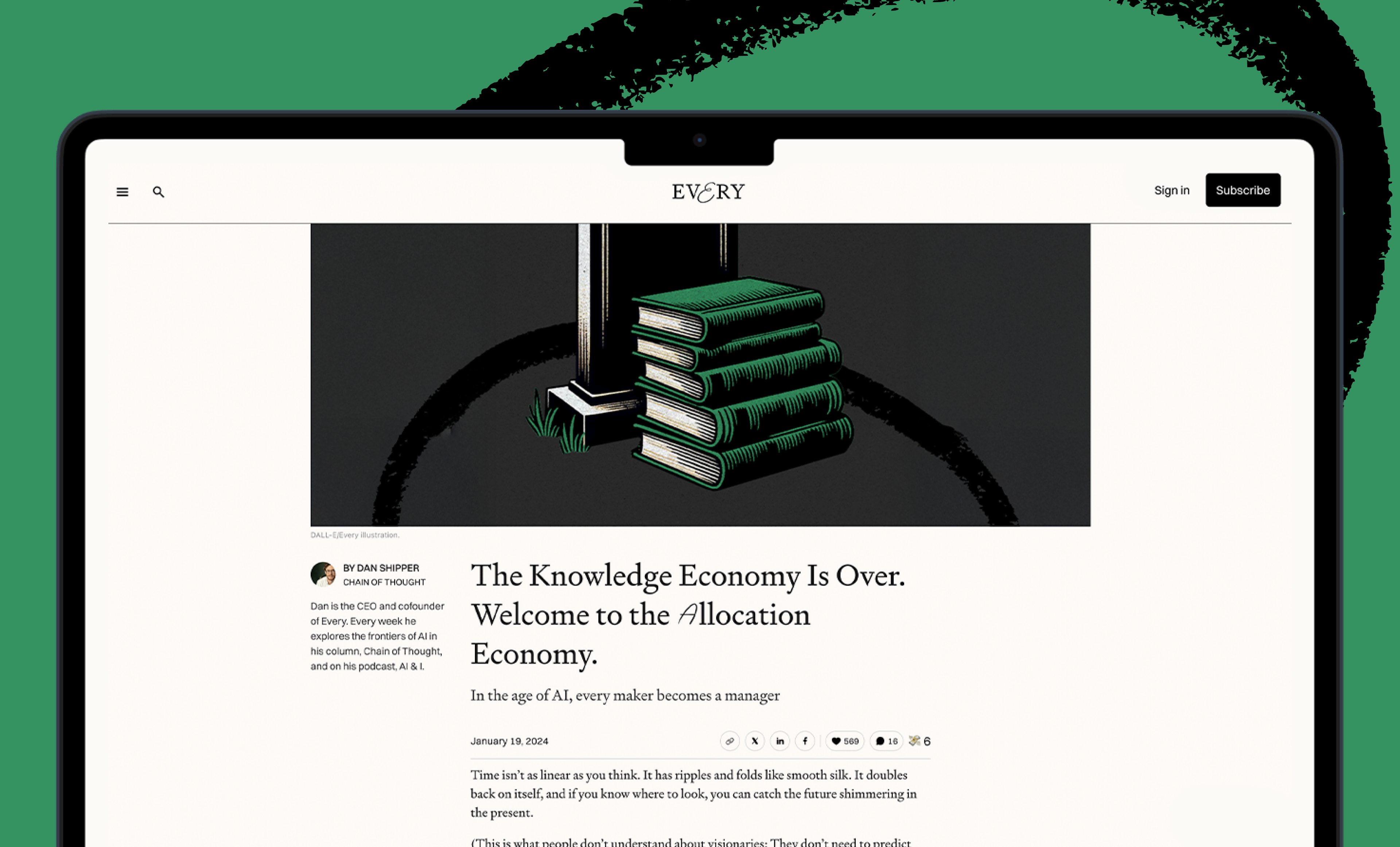
 Every Content
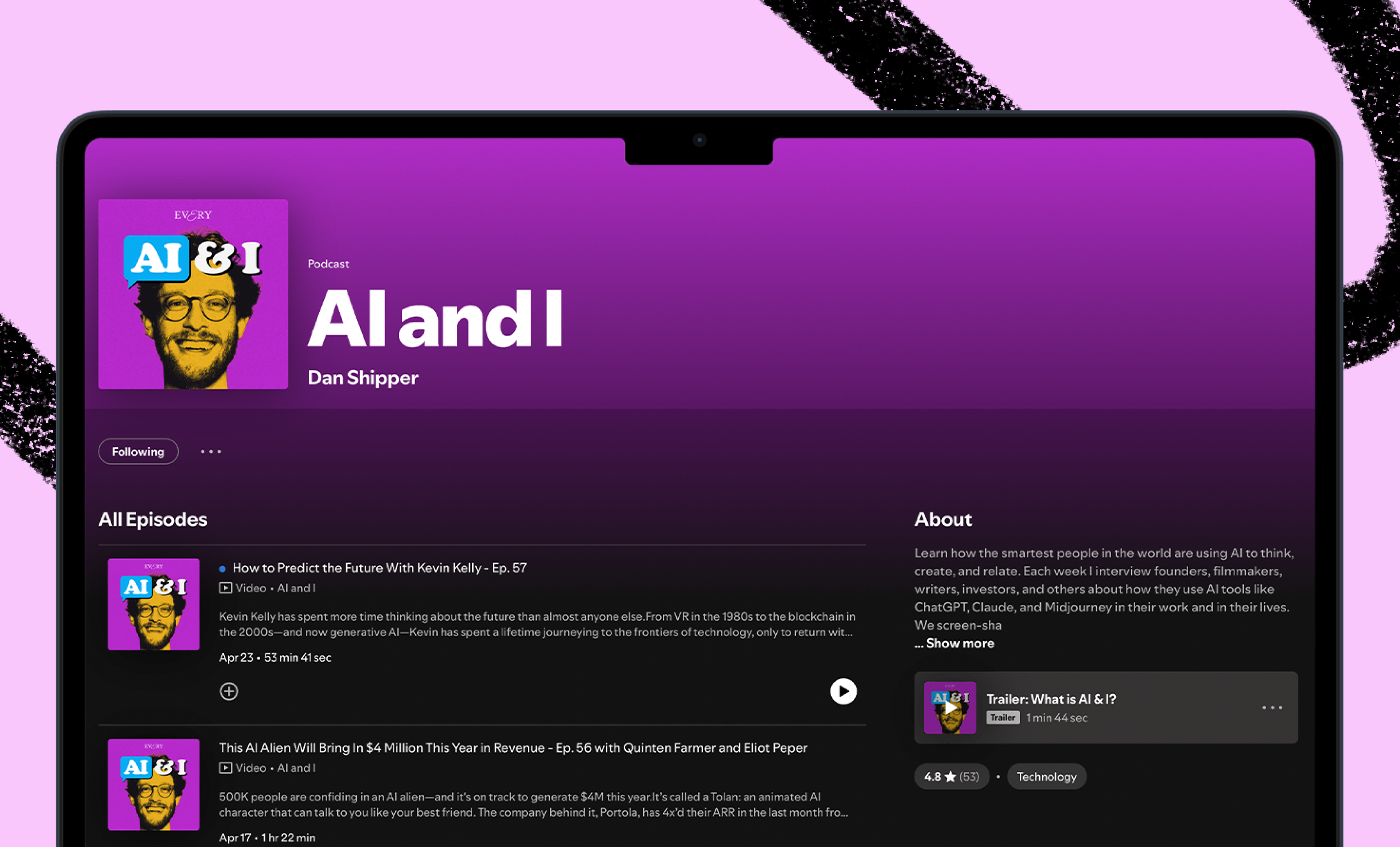
 AI&I Podcast
 Monologue
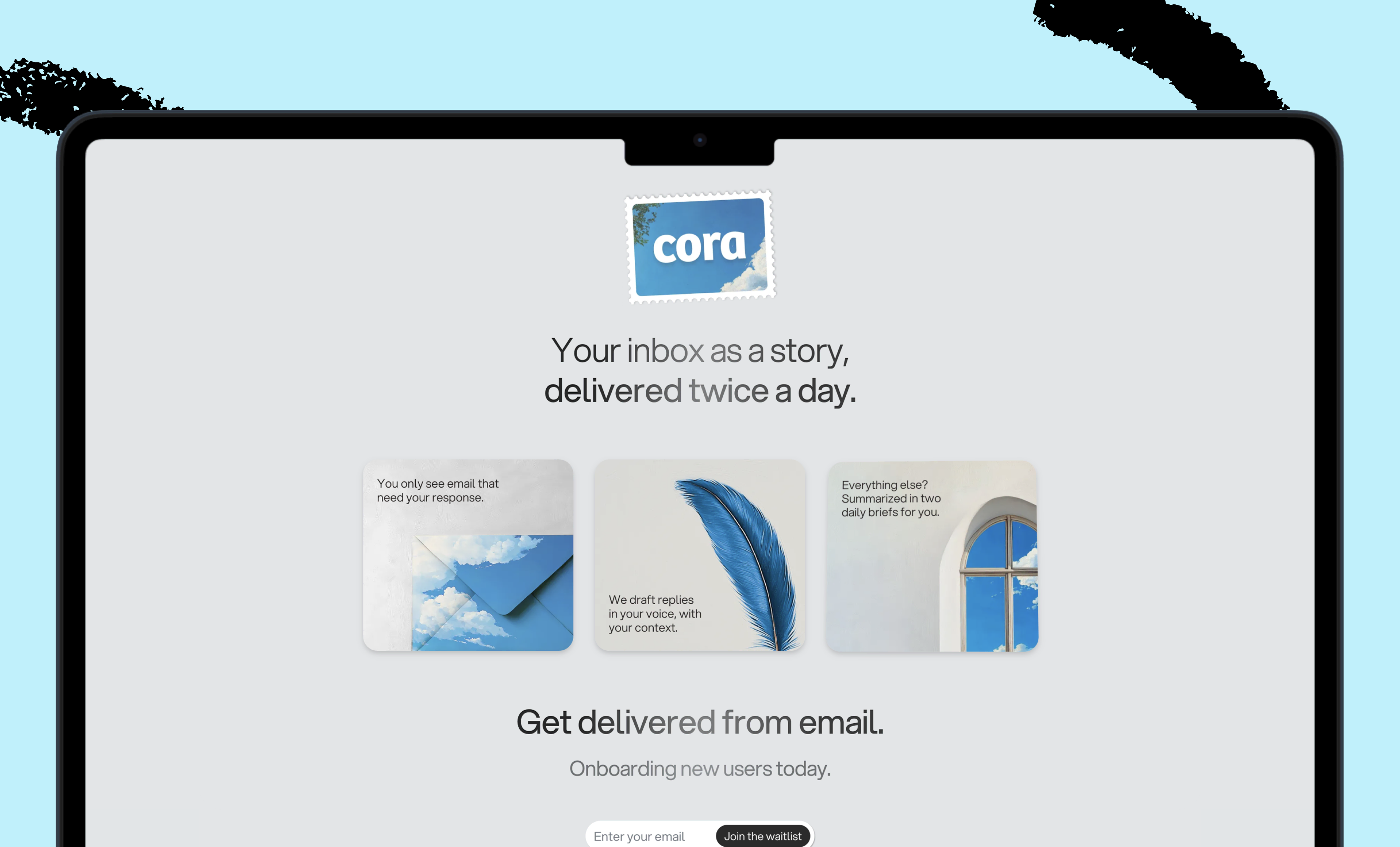
 Cora
Cora
 Sparkle
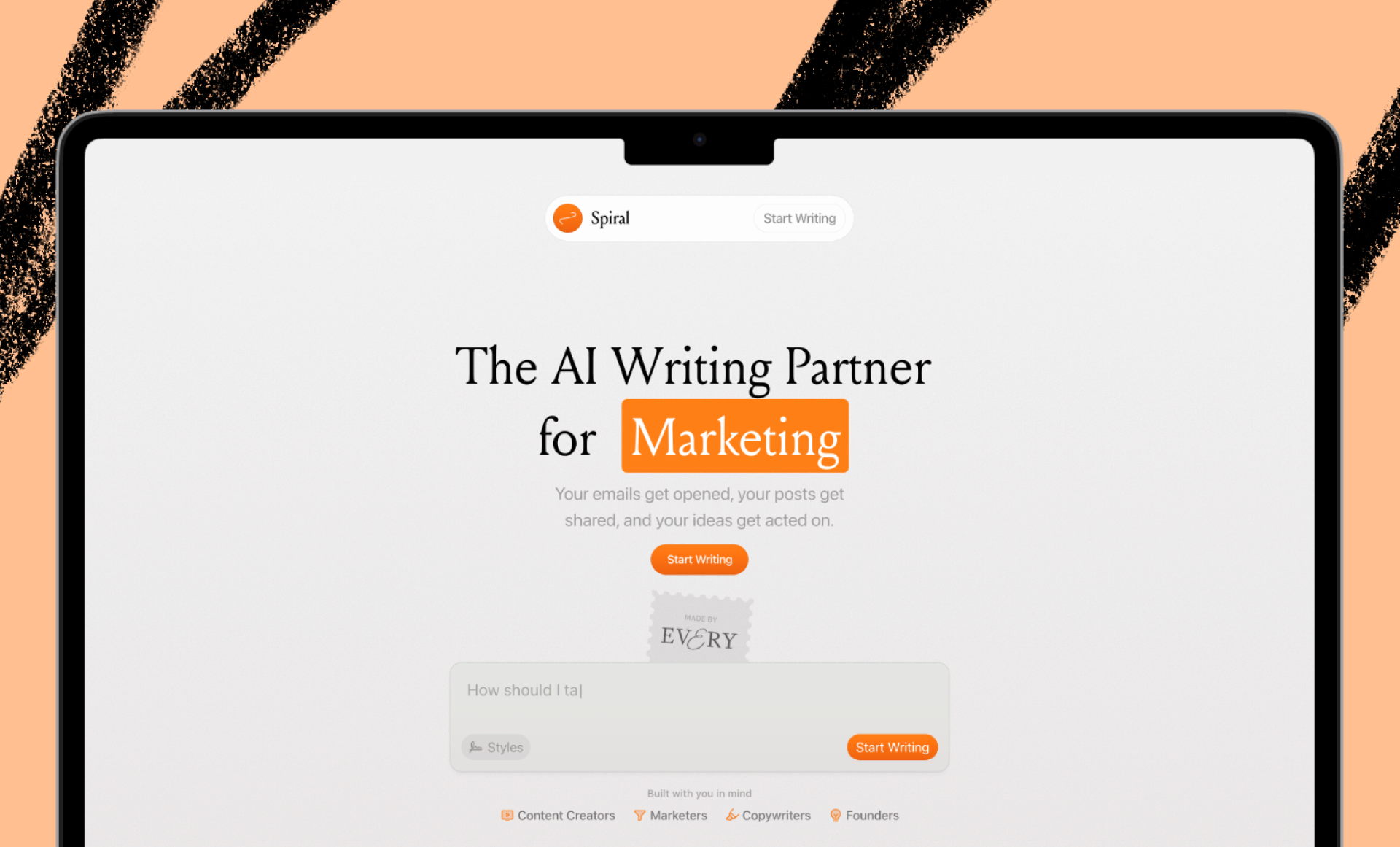
 Spiral
Join 100,000+ leaders, builders, and innovators

Email address

Already have an account? Sign in
What is included in a subscription?
Daily insights from AI pioneers + early access to powerful AI tools

 Front-row access to the future of AI
 In-depth reviews of new models on release day
Playbooks and guides for putting AI to work
Prompts and use cases for builders
In-depth reviews of new models on release day
Playbooks and guides for putting AI to work
Prompts and use cases for builders
In-depth reviews of new models on release day
Playbooks and guides for putting AI to work
Prompts and use cases for builders
In-depth reviews of new models on release day
Playbooks and guides for putting AI to work
Prompts and use cases for builders
 Bundle of AI software




 Reviews of new AI models on release day
Comments
Don't have an account? Sign up!